



Claire
Travel in South America is a joy to behold. The rich variety of destinations, experiences, landscapes and geography fascinated me so much, that I chose to relocate here, over 20 years ago! The best thing I ever did! Allow me to share my knowledge and passion for Central and South America with you and help you plan your holiday of a lifetime!
THE OSA PENINSULA
Written by:Claire
Last Update: 2024-12-05
Sitting between the Caribbean Sea and the Pacific Ocean, Costa Rica’s landscape is painted with towering volcanoes and mountains, lush rainforests, sparking coastal plains, and amazing tropical beaches. The weather is tropical and because of its diversity, many microclimates can be found throughout the country. A vacation here offers more than stunning landscapes and beautiful weather; this tropical country is steeped in rich history dating back to the 1500s and boasts a community-centric lifestyle that is rare in much of the world.
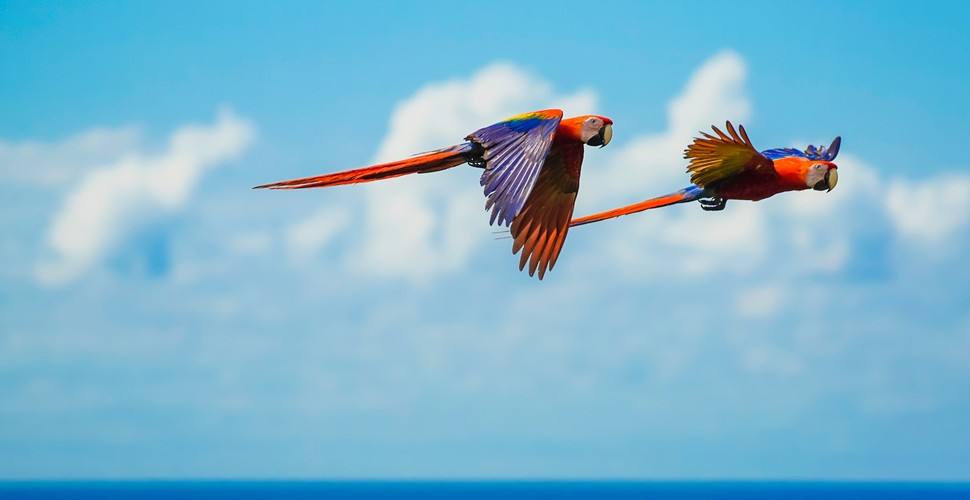
Macaws over The Ocean
Encompassing 12 distinct ecological zones, Ticos are well aware of their natural treasures: it is on its way to becoming the first carbon-neutral nation by 2021. Costa Rica is home to 5 percent of the world's biodiversity, and locals are serious about protecting this magnificent environment. Nature lovers can explore over 100 national parks, reserves, refuges, and protected lands - which make up about 25 percent of the country's land.
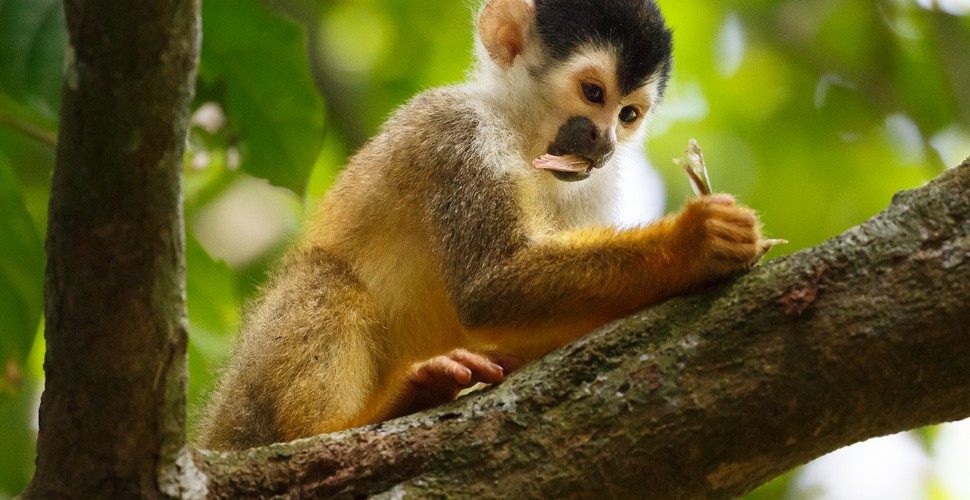
Biodiversity
Osa Peninsula
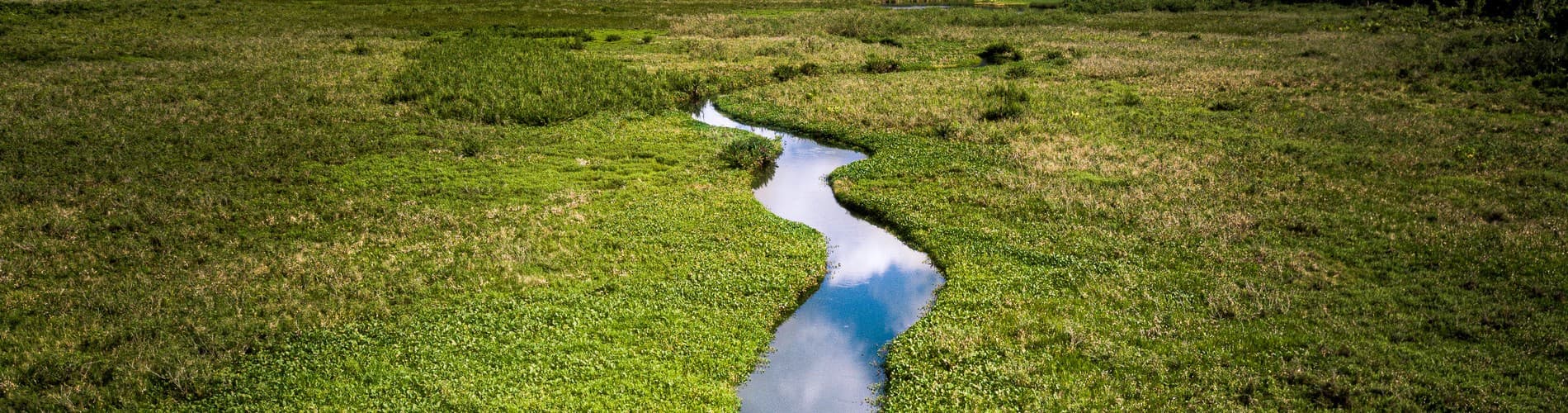
Protruding into the ocean at the southern tip of Costa Rica’s Pacific coast, the Osa Peninsula shelters a vast rainforest and Costa Rica’s last jaguars and tapirs. Fringed by idyllic beaches and turquoise water, it is a laid-back spot for surfing, diving, whale and dolphin watching, and relaxing on a deserted beach. A trip to the Osa Peninsula makes for a great getaway to the most biologically intense place on earth.
Costa Rica’s Osa Peninsula, a former island that now makes up the southernmost reach of the country’s Pacific coast, was called “the most biologically intense place on Earth” by National Geographic. It crams 2.5% of the planet’s biodiversity into just 0.001% of its surface area. And, this being Costa Rica, 80% of it is protected, mostly by the Corcovado national park.
A quarter of the country is a national park, but new approaches were needed that support the people, too. That’s what Caminos de Osa is trying to do. Costa Rica developed its national parks system in the 1970s, taking its cue from the great North American parks. It has been hailed as an outstanding conservation success, but community ecotourism initiatives are still brand new. The reality is the people who live in the parks need to earn a livelihood, but regulations make that very difficult.
Osa’s coastline is wild – even around the resort enclave of Drake Bay the beaches feel primordial, fringed by jungle on one side and thrashed by Pacific rollers on the other. Crocs and bull sharks populate these waters and rip currents abound, so going for a dip can be dicey.
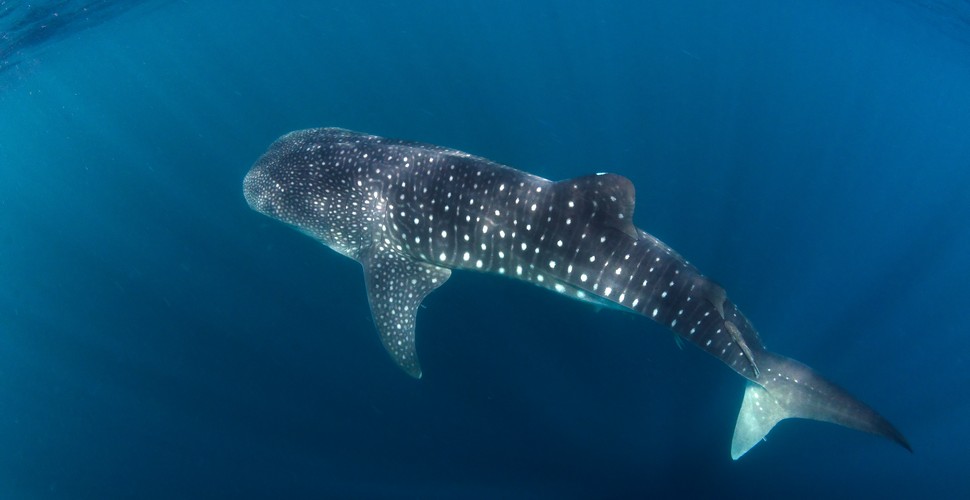
Whale Sharks
Highlights
Corcovado National Park
One of Costa Rica’s most important attractions, the Parque Nacional Corcovado covers nearly half of the Osa Peninsula. Deemed as one of the best places to visit during a Costa Rica tour, the national park is home to an astonishingly diverse ecology for wildlife in the Osa Peninsula. This biodiversity includes Costa Rica’s big cats, the critically endangered tapir, the giant anteater and harpy eagle. Access is possible by a challenging day hike along one of two primary jungle tracks, the coast-hugging La Leona to Sirena or the formidable rugged Sirena to Los Patos, or via a boat to experience the easier tracks around the Sirena and San Pedrillo ranger stations.
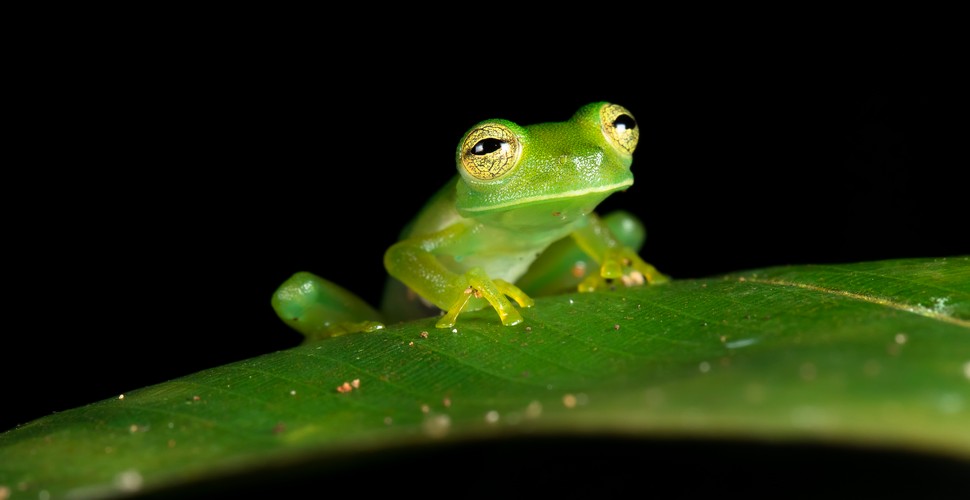
Green Tree Frog
Carate
South on the Osa Peninsula lies Carate, a starting point for hikes in the Corcovado National Park. Reaching Carate involves a drive high into the jungle-shrouded mountains. When you arrive, an exotic tropical lagoon greets you with sublime sunsets straight off a picture postcard. Carate's deserted beach fringed by lush forest trees is a phenomenal backdrop for photography and the perfect spot to catch a wave, enjoy an invigorating swim or simply spread your towel out on the beach and relax in the sun.
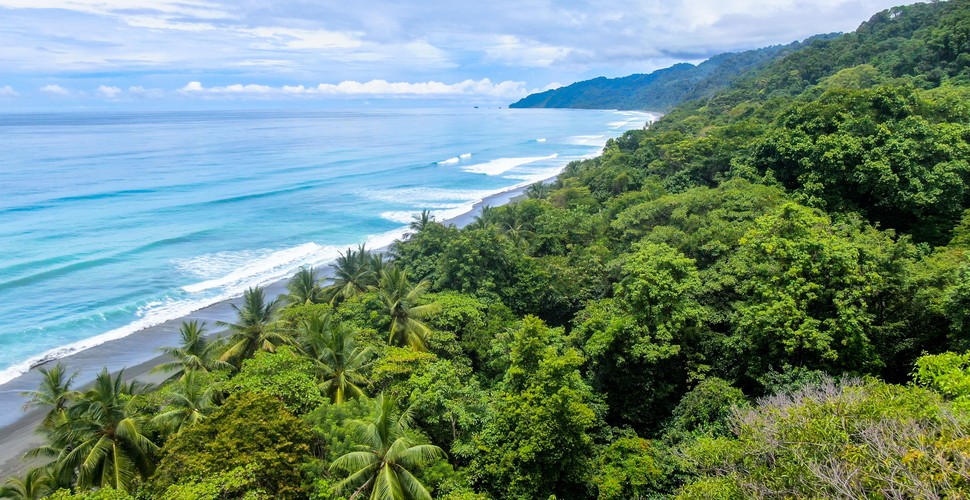
Carate
Isla del Caño
A pleasant forty-minute boat trip from Bahía Drake sees you arrive at the heart of one of Costa Rica’s most spectacular marine reserves, the Isla del Caño. Uninhabited, the island is a world-class diving destination populated by fan and brain corals, sea plumes, giant conchs, and the endangered Panulirus lobster. Massive schools of tropical fish entice whales and dolphins into the area. At the dive site, you can see enchanting sea turtles and hammerhead sharks, while majestic manta rays, reef sharks, and barracuda visit the Devil’s Pinnacle. Isla del Caño is only accessible by licensed dive tour operators such as Drake Divers and Osa Divers.
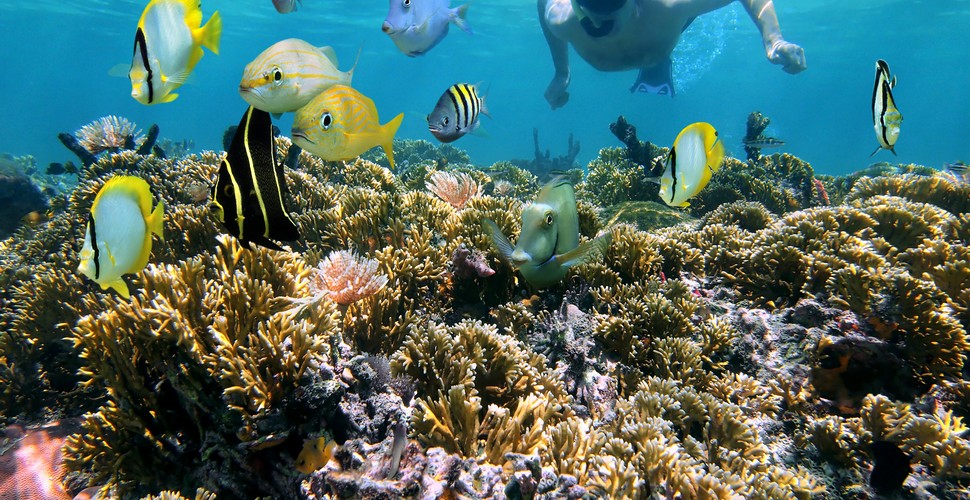
Costa Rica Diving
What To Do in Osa Peninsula?
Kayaking
Explore the Golfo Dulce’s blue-green waters with its backdrop of the rainforest canopy, venture into a maze of mangroves, paddle along the coast spotting dolphins and wildlife, or test your skills against whitewater.
Go horse riding
Explore the lush biodiversity of the beach and the rainforest ecosystems on horseback leaving from the Rancho Tropical.
Go snorkeling or scuba diving
Caños Island is surrounded by vibrant coral reefs making it one of Costa Rica’s most popular spots for water sports. You can also find the mysterious ancient stone spheres from a vanished civilization on the island.
Surf at Cabo Matapalo and Pavones
Experience surfing Costa Rican style at Cabo Matapalo or Pavones. When they are “going off”, get ready for the ride of your life!
Go birdwatching
Local guides will show you the best spots to watch the Osa Peninsula’s amazing range of local birdlife
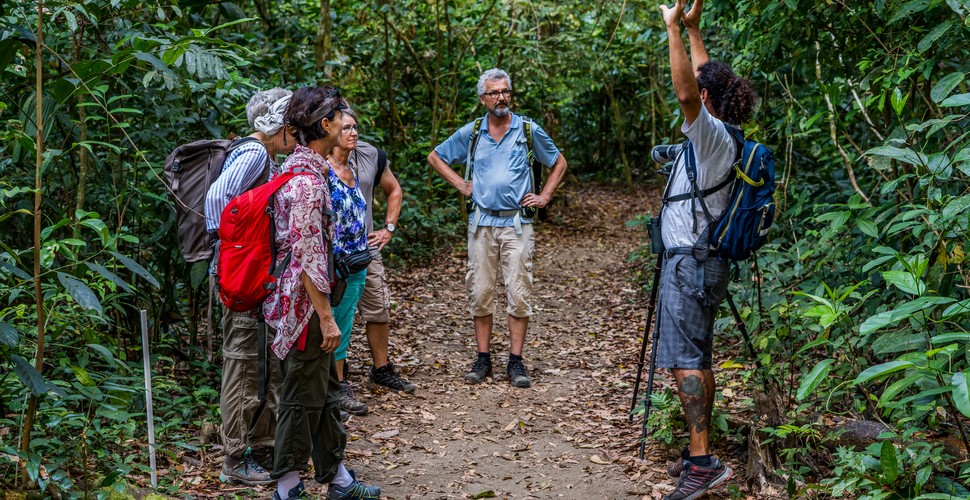
Bird Watching
Book the tour of The Osa Peninsula here!
SHARE THIS POST
popular-posts-title